GPS & asset tracker development
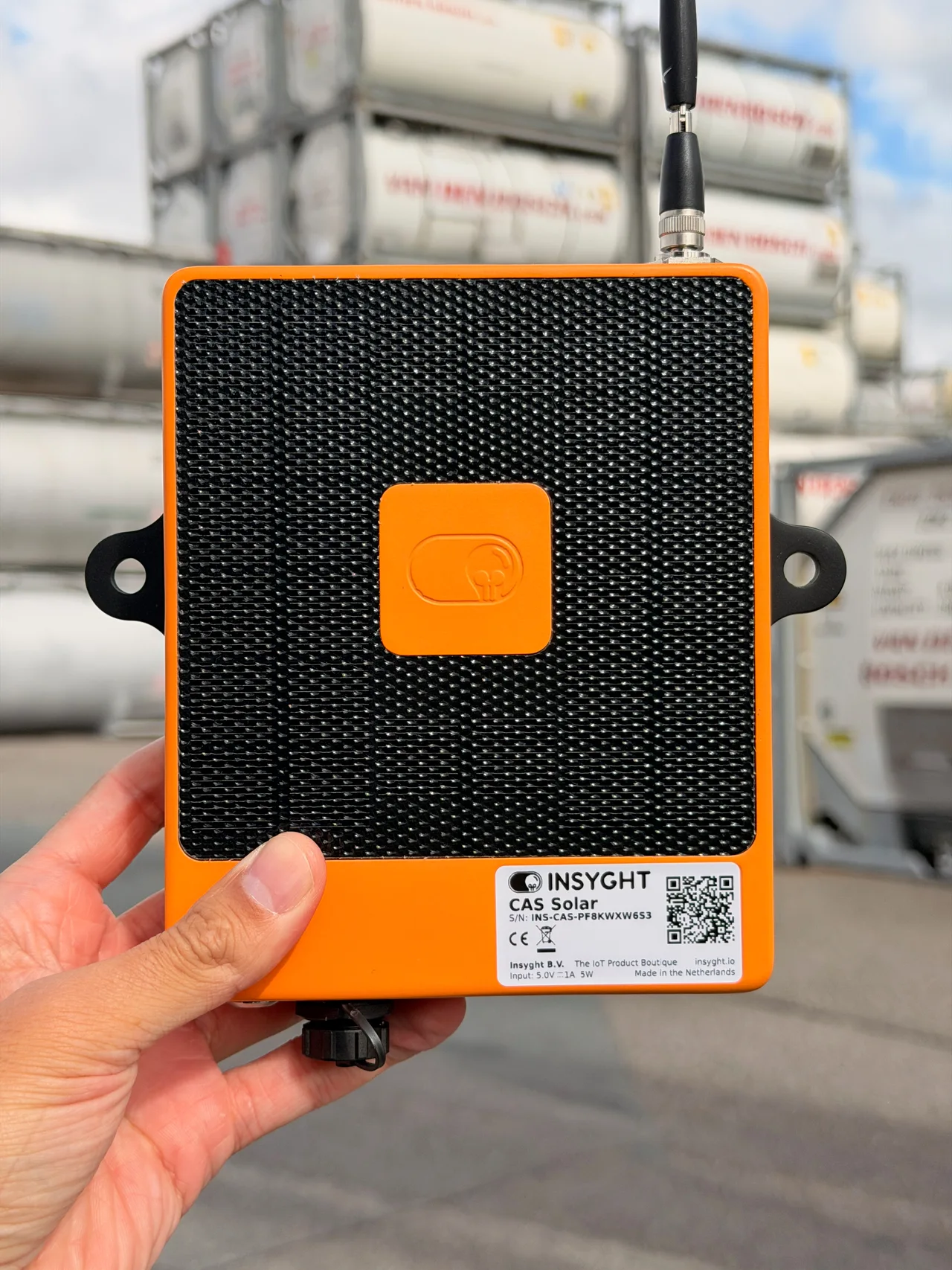
Custom trackers designed for multi-year battery operation where the duty cycle allows it: LTE-M, NB-IoT, or LoRaWAN, engineered from antenna to cloud dashboard and certification.
A tracker lives or dies by three numbers: position accuracy, battery life, and connectivity cost. Off-the-shelf trackers make sense for generic fleet use. Custom development starts to pay off when your constraint is specific: battery life, form factor, operating environment, indoor positioning, or unit economics at volume.
We design battery-first: choosing between LTE-M, NB-IoT, and LoRaWAN per use case, combining GNSS with BLE or Wi-Fi positioning where satellites fail, and validating the RF design in the field instead of assuming datasheet performance will carry over to the final enclosure and deployment. The same team builds the device management backend, so the system can grow beyond the pilot without re-architecting.
Three decisions shape almost every tracker
| Decision | What drives it | What it changes |
|---|---|---|
| Connectivity | What drives itMovement, geography, coverage, reporting frequency, available infrastructure | What it changesLTE-M vs NB-IoT vs LoRaWAN, roaming, power use and connectivity cost |
| Positioning | What drives itIndoor vs outdoor use, required accuracy, fix frequency and environment | What it changesGNSS, BLE, Wi-Fi, or a hybrid approach |
| Power | What drives itReporting interval, positioning frequency, radio conditions, temperature, and available device volume | What it changesBattery chemistry, battery size, charging/solar options, and service interval |
What we build
Cellular IoT connectivity
LTE-M and NB-IoT designs with global SIM strategies and tuned modem power states; firmware that survives weak coverage instead of draining the battery.
Positioning engineering
GNSS receiver integration, assisted and scheduled fixes, and hybrid positioning with BLE or Wi-Fi where satellite positioning is unavailable or unreliable. The right approach depends on the environment and the infrastructure available around the asset.
Battery-first power design
Duty-cycle modelling before the first schematic: primary cells, rechargeable packs, or solar assist, sized around the reporting interval and service-life target.
Fleet backend & dashboards
Azure-based device management, OTA firmware updates, and live dashboards, so provisioning, monitoring, and updates don't have to be rebuilt when the pilot becomes a production fleet.
How a tracker project runs
Use case & network selection
Asset type, movement pattern, geography, and report frequency decide the radio. We model battery life per option before any hardware exists.
Prototype & power validation
First hardware with measured, not estimated, sleep and transmit currents, validated against the duty-cycle model.
Field trials
Trackers on real assets in real coverage: antenna performance, fix times, and delivery rates measured where the product will actually live.
Certification
We plan applicable CE/RED and FCC requirements into the hardware from the first PCB revision. For cellular products, we also account for module integration and carrier-specific requirements, where applicable.
Production & rollout
From pilot batch to volume with functional test fixtures, provisioning flows, and yield tracking through Insyght Console.
Frequently asked questions
LTE-M, NB-IoT, or LoRaWAN — which is right for my tracker?
It depends on movement pattern, geography, and report frequency. LTE-M is often the better fit for moving assets and applications that need mobility or roaming. NB-IoT works well for low-data, infrequent reporting where deep coverage and power efficiency matter. LoRaWAN can make sense when you control the site or gateway infrastructure and want very low-power operation. We model battery life and connectivity costs for realistic options before committing to hardware.
How long can a custom tracker run on a battery?
From months to multiple years depending on report frequency, positioning behaviour, radio conditions, and radio choice. That's exactly why we start with duty-cycle modelling: changing the same device from five-minute reporting to six-hour reporting can dramatically change the battery-life estimate.
Why not use an off-the-shelf tracker?
Off-the-shelf works for generic fleet use. Custom pays off when your constraint is specific: an unusual form factor, multi-year battery life, a harsh environment, indoor positioning, or unit economics at volume. Then you can make trade-offs around your actual asset rather than a generic use case.
Do you handle certification for cellular devices?
Yes. We plan the applicable CE/RED and FCC requirements into the design from the first PCB revision and coordinate formal testing with our accredited lab partner. Where module-integration or carrier-specific requirements apply, we include those in the compliance plan as well.
Can you also build the fleet management side?
Yes. We build the device management backend, OTA update pipeline, and dashboards on Azure, so provisioning, monitoring, and firmware management can scale beyond the pilot without rebuilding the system.

Need a tracker that just keeps reporting?
Free 30-minute consult: bring your asset and duty cycle, we bring the network and battery maths.
